How Cool Fiction Book Covers Reflect the Story Inside
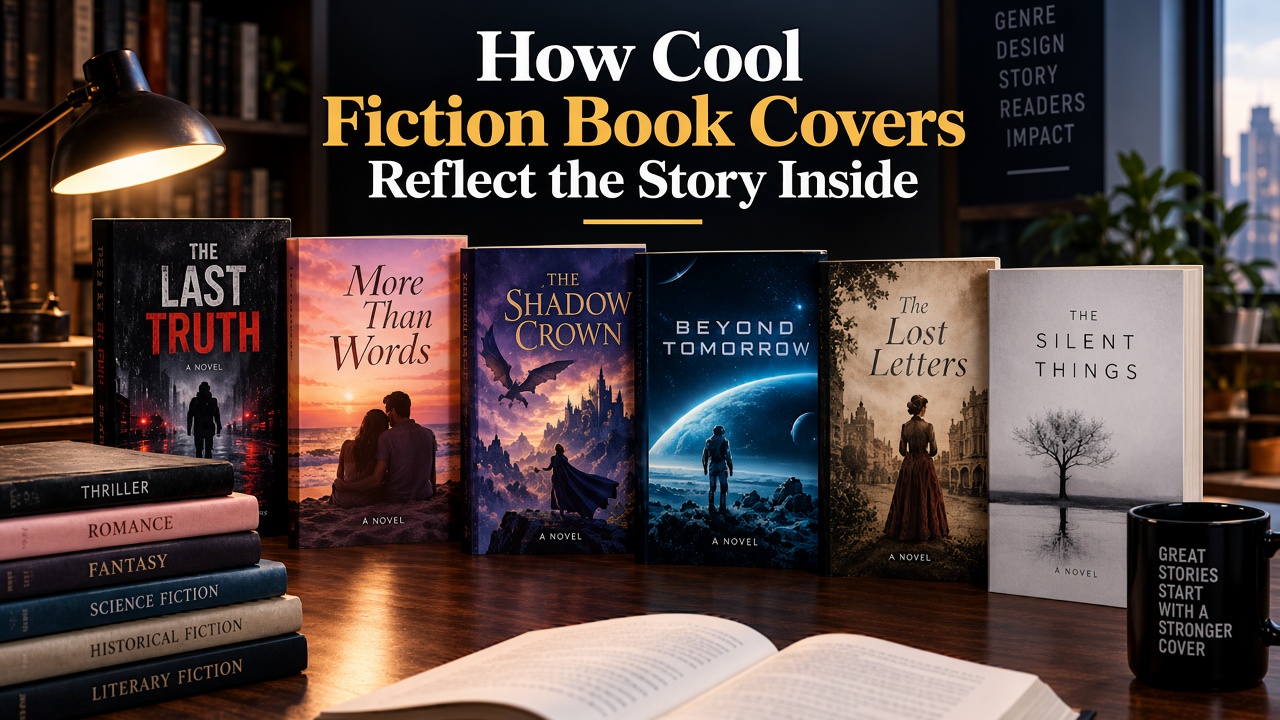
Ever picked up a book purely because the cover stopped you cold? You weren't being shallow; you were responding to intentional design psychology that took professionals weeks to perfect.
A great fiction cover isn't decoration. It's a promise. Every color, font, and image whispers something about the world inside those pages before you've read a single word. And when that promise matches the story? That's the sweet spot where great books find great readers and exactly what the team at Monarch Books Co is built to create.
The Cover Is the Story's First Chapter
Most readers decide whether to pick up a book within three seconds of seeing it. That's not a guess; that's how visual processing works in the human brain.
A well-designed cover does three things simultaneously:
- Signals the genre so the right reader self-selects
- Sets the emotional tone before the first page is turned
- Creates curiosity strong enough to trigger a purchase
When those three things align with what's actually inside the book, readers finish satisfied. When they don't, even subtly, readers feel misled and say so in reviews.
This is why serious authors don't treat cover design as an afterthought. And why partnering with professional book cover design services is one of the most important investments a fiction author makes.
How Color Tells the Story Before Words Do
Color is the first thing the eye registers. Before you read the title, before you see the imagery, your brain has already begun forming an emotional response based on the dominant palette. Here's how genre-to-color storytelling actually works in fiction:
| Genre | Typical Color Palette | What It Communicates |
|---|---|---|
| Thriller / Crime | Black, deep blue, acid yellow, red accents | Danger, tension, urgency |
| Romance | Soft pinks, creams, warm peaches, reds | Warmth, intimacy, desire |
| Fantasy | Jewel tones — purples, golds, emerald | Magic, wonder, otherworldliness |
| Science Fiction | Teals, neon blues, violets on dark | Futurism, mystery, the unknown |
| Historical Fiction | Sepia, earthy browns, muted golds | Nostalgia, depth, authenticity |
| Literary Fiction | Minimal palettes, whites, muted tones | Sophistication, introspection |
Notice how each palette feels like the experience of reading that genre. That's not a coincidence that's decades of color psychology research applied to book marketing.
A professional fiction writing agency that understands both storytelling and visual branding will always make sure the cover palette matches the emotional world of the manuscript itself.
Typography: The Voice Before the Voice
Fonts carry personality. They communicate authority, playfulness, elegance, or menace — often before a reader consciously registers what they're seeing.
What different type styles say about the story inside:
- Bold, sharp serif fonts → Thrillers, crime fiction, books with urgency and high stakes
- Ornate, decorative script → Fantasy, historical romance, stories drenched in atmosphere
- Clean, minimal sans-serif → Literary fiction, contemporary novels, psychological drama
- Distressed or fractured type → Horror, dark psychological thrillers, post-apocalyptic fiction
- Flowing, soft script→ Romance novels, women's fiction, emotional family sagas
Think about the font on Gillian Flynn's Gone Girl that clean, slightly cold sans-serif that feels unsettling in its simplicity. Or the ornate gilded lettering of a Sarah J. Maas fantasy. The typography is doing storytelling work on its own.
A skilled book cover design agency selects typography that doesn't just look good it reinforces what the reader is about to experience.
Imagery: The Scene That Sets Everything Up
The central image on a fiction cover is doing the heaviest lifting of all. It has to accomplish something photography teachers spend years teaching: conveying an emotion, a world, or a character in a single frozen moment.
What different imagery choices signal:
Character-focused covers (close-up faces, figure silhouettes)
Typically signal character-driven, emotionally intense fiction. The reader is being invited into a relationship with a person, not just a plot.
Landscape and world-building imagery
Common in fantasy, sci-fi, and historical fiction. The cover says: the world itself is part of the story. The setting is as important as any character.
Object or symbol-based covers
Popular in literary fiction and psychological thrillers. A single symbolic object — a key, a door, a cracked mirror invites the reader to ask "what does this mean?" before the book even opens.
Abstract or minimalist imagery
Signals sophistication. Literary fiction in particular uses abstract design to suggest the book rewards close, thoughtful reading rather than plot-driven consumption.
Every choice is intentional. And every choice is a story beat told visually, before page one.
The Elements Working Together: A Real-World Breakdown
Let's look at how these elements combine into a coherent cover story:
Psychological Thriller Example
Dark navy background. Fragmented female silhouette. Cold, clinical sans-serif title font. A single red detail.
What this cover tells you before you read a word:
- Female protagonist (or victim) at the center
- Something is broken, fractured, unreliable
- There's danger but it's controlled, precise
- The red signals blood, urgency, or both
The cover has told you the genre, the tone, the protagonist's situation, and the emotional experience awaiting you in one image.
This is what separates covers that move books from covers that sit on shelves. And it's what a dedicated fiction writing company like Monarch Books Co understands when it works with authors from manuscript to finished product the visual and written story have to speak the same language.
What Happens When the Cover Lies
This deserves its own section because it happens more than it should, and it has real consequences.
When a cover promises one experience and the book delivers another, readers feel betrayed. Not consciously, necessarily, but that feeling lingers. It shows up as:
- One-star reviews that say "not what I expected"
- Low word-of-mouth despite a genuinely good story
- Returns and refund requests on digital platforms
- Readers who don't come back for the author's next book
A moody, dark thriller cover on a lighthearted cozy mystery isn't just a design mismatch it's a marketing mistake that costs sales and reader trust.
The cover makes a promise. The story has to keep it.
Genre-Specific Cover Conventions Every Fiction Author Should Know
Here's what readers instinctively expect when they pick up books in major fiction categories:
Romance 💕
- Warm, intimate color palette
- Couple imagery or emotionally charged close-ups
- Soft, elegant typography
- Conveys: connection, longing, emotional satisfaction ahead
Fantasy 🐉
- Rich jewel tones with gold or copper accents
- Mythical landscapes, creatures, or magical objects
- Ornate, atmospheric typography
- Conveys: immersive world-building, wonder, adventure
Thriller / Crime 🔍
- High contrast, dark palettes
- Isolated figures, shadows, fragmented elements
- Bold, aggressive type
- Conveys: danger, tension, you won't sleep until you finish
Literary Fiction 📖
- Minimalist design, symbolic imagery
- Understated color, often muted or monochrome
- Sophisticated, clean typography
- Conveys: this book rewards you for paying attention
Understanding these conventions is the starting point for any professional book cover design company and equally important for any fiction writing services provider helping an author develop their manuscript with publication in mind.
Why Authors Shouldn't DIY Their Fiction Covers
There's no shortage of template-based design tools promising publication-ready covers in twenty minutes. And there's no shortage of authors who've used them and wondered why their books aren't selling.
Here's the honest truth:
- Genre-signal accuracy requires deep market knowledge
- Color psychology application requires trained visual judgment
- Typography selection requires understanding of both print and digital rendering
- Composition and visual hierarchy require professional design instincts
A template gives you a cover. A professional gives you a story told visually, aligned with your manuscript, and calibrated for your target reader.
Monarch Books Co combines fiction writing agency expertise with professional cover design to ensure the book you've written is represented the way it deserves from the first word to the front cover.
Your story deserves a cover that does it justice — one that stops the right reader in their tracks, makes them pick it up, and makes them feel, before they've read a word, that this is exactly the book they've been looking for.
frequently  asked questions
Does a fiction book cover really affect how many copies sell?
Yes significantly. A well-designed cover acts as a silent salesperson. In both physical bookstores and online platforms, the cover is often the only thing a potential reader sees before deciding whether to click or pick up. Studies in publishing consistently show that cover design is the primary visual factor in a reader's initial purchase decision.How do I know if my cover accurately reflects my story?
Show it to people in your target reader demographic who haven't read your book. Ask them what genre they think it is, what kind of emotional experience they'd expect, and whether they'd pick it up. Their answers will tell you immediately whether your cover is communicating what your story delivers.What's the single most common fiction cover mistake?
Mismatched tone. Authors fall in love with an image or color that personally appeals to them but doesn't signal the right genre or emotional experience to their actual readers. A cover has to work for the reader, not just the author.Do covers need to look different for print versus digital?
Yes. Digital covers, especially thumbnails on Amazon, need bolder contrast, cleaner imagery, and highly legible typography at small sizes. What reads beautifully as a full-size print cover can become muddy and unreadable at thumbnail scale. Professional designers build covers that work across both formats from the start.Can Monarch Books Co help with both the writing and the cover design?
Yes. Monarch Books Co offers end-to-end support from fiction writing company services that help develop and refine your manuscript, to professional cover design that ensures your finished book looks as compelling as it reads. One team. One vision. One book that works from the inside out.


